
Introduction:
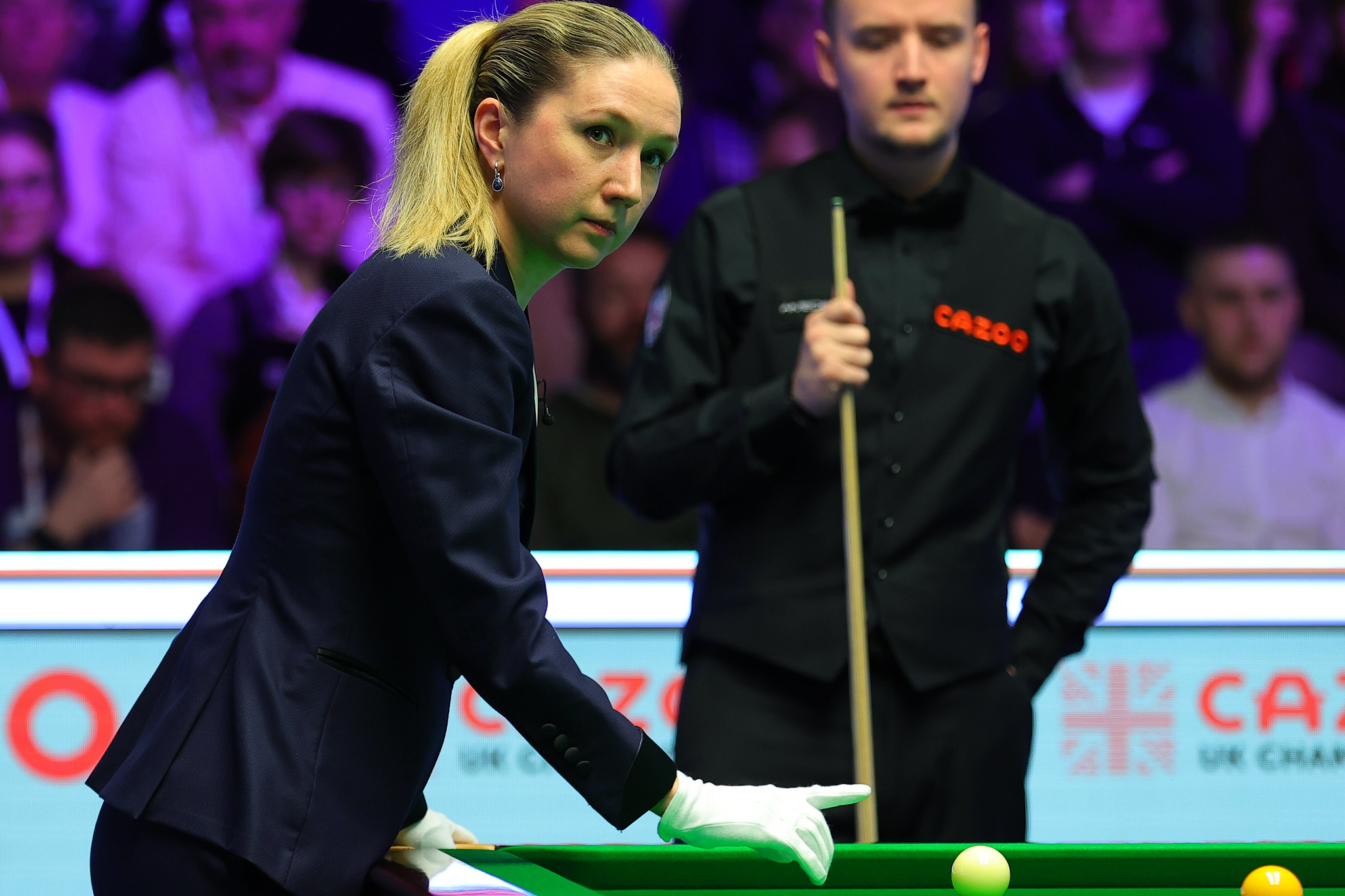
Have you ever watched a snooker match and wondered about the calm, composed figure controlling the table? Now ask yourself—why don’t we talk more about female snooker referees?
For decades, snooker has been viewed as a male-dominated sport. Players, commentators, and even referees were overwhelmingly men. However, things have changed significantly in recent years. Female snooker referees are stepping into the spotlight, earning respect, and proving that authority, precision, and professionalism have nothing to do with gender.
This article dives deep into the world of female snooker referees. From their early challenges to their rising influence, we will explore how these women are shaping the future of snooker while maintaining the highest standards of the game.
The Role of a Snooker Referee: More Than Just Watching the Game
A snooker referee does far more than simply observe players. The role demands focus, deep knowledge, and the ability to stay composed under pressure. Every decision they make can influence the outcome of a match.
Firstly, referees are responsible for enforcing the rules. They ensure that players follow regulations, from shot execution to scoring. This requires a sharp eye and a thorough understanding of every detail in the rulebook. Even a minor mistake can lead to controversy, so accuracy is essential.
Secondly, referees manage the pace and flow of the game. Snooker matches can be long and mentally demanding. A good referee keeps things moving smoothly while maintaining fairness for both players. They must balance authority with neutrality, ensuring neither player feels disadvantaged.
Lastly, referees act as the face of professionalism. Their body language, tone, and decisions reflect the integrity of the sport. Female snooker referees have mastered this role, often under greater scrutiny, proving their capability at the highest levels.
A Brief History: When Did Female Snooker Referees Enter the Scene?
The journey of female snooker referees has not been easy. For many years, the sport lacked diversity, and opportunities for women were limited. However, change began slowly but steadily.
In earlier decades, women were rarely seen in officiating roles. The few who entered the field often faced skepticism. Their abilities were questioned, and they had to work harder to gain acceptance. Despite these challenges, some pioneers pushed forward, opening doors for future generations.
As snooker grew globally, governing bodies began to recognize the importance of inclusivity. Training programs and certification processes became more accessible. This allowed more women to pursue careers as referees and demonstrate their skills on professional stages.
Today, female snooker referees are not just participants—they are leaders. Their presence in major tournaments signals a shift in mindset and a commitment to equality within the sport.
Breaking Stereotypes: Challenges Faced by Female Snooker Referees
Even with progress, female snooker referees have had to overcome significant barriers. These challenges have shaped their resilience and strengthened their position in the sport.
One major challenge has been gender bias. Early in their careers, many female referees faced doubts about their competence. Some players and audiences questioned their decisions more harshly than those of male counterparts. This added pressure required them to be exceptionally precise and confident.
Another obstacle has been visibility. For years, women in snooker officiating were underrepresented in televised matches. Limited exposure made it harder for them to gain recognition and build reputations. However, as media coverage improved, this began to change.
Additionally, maintaining authority in high-stakes matches can be demanding. Snooker requires absolute control over the table, and referees must command respect from players and spectators alike. Female referees have proven that authority comes from expertise and professionalism, not gender.
Rising Stars: Notable Female Snooker Referees Making an Impact
In recent years, several female snooker referees have gained international recognition. Their contributions have elevated the perception of women in officiating roles.
One standout figure is Michaela Tabb. She became one of the most recognizable faces in snooker officiating, even refereeing World Championship finals. Her confidence and precision set a benchmark for aspiring referees.
Another influential name is Desislava Bozhilova. Known for her calm demeanor and consistency, she has officiated in numerous high-profile matches. Her presence reflects the growing diversity in the sport.
We should also mention Tatiana Woollaston, who has built a strong reputation through years of dedication. Her journey highlights the importance of perseverance and passion in achieving success.
These women have not only excelled individually but have also inspired a new generation of referees to follow in their footsteps.
Skills That Set Female Snooker Referees Apart
What makes female snooker referees stand out? The answer lies in a combination of technical expertise and personal qualities.
Firstly, attention to detail is crucial. Snooker involves precise measurements, scoring, and rule enforcement. Female referees have consistently demonstrated exceptional accuracy, ensuring fair play at all times.
Secondly, communication skills play a vital role. Referees must interact with players, explain decisions, and maintain clarity during matches. A calm and confident tone helps in managing tense situations effectively.
Another important skill is emotional control. High-pressure matches can test even the most experienced officials. Female referees have shown remarkable composure, handling disputes and maintaining professionalism throughout.
Lastly, adaptability is key. Every match is different, and referees must adjust to varying playing styles and conditions. This flexibility allows them to perform consistently across tournaments.
The Impact on the Sport: Why Representation Matters
The rise of female snooker referees has had a profound impact on the sport. Their presence has brought a new level of inclusivity and inspiration.
Firstly, representation encourages participation. When young women see female referees on global stages, they are more likely to consider careers in snooker. This helps in building a diverse talent pool for the future.
Secondly, diversity enhances the credibility of the sport. A balanced representation of genders reflects fairness and modern values. It shows that snooker is evolving and embracing change.
Moreover, female referees bring fresh perspectives. Their approach to officiating can introduce new standards and practices that benefit the game as a whole. This contributes to the continuous improvement of snooker.
Training and Career Path: How to Become a Female Snooker Referee
Becoming a snooker referee requires dedication, training, and a passion for the game. The path is challenging but rewarding.
The first step is to learn the rules thoroughly. Aspiring referees must understand every aspect of snooker, from basic gameplay to advanced regulations. This knowledge forms the foundation of their career.
Next, formal training programs and certifications are essential. Many governing bodies offer courses that teach officiating techniques, decision-making, and match management. These programs help candidates develop the skills needed for professional refereeing.
Experience is equally important. Starting with local tournaments allows referees to gain practical knowledge and build confidence. Over time, they can progress to national and international events.
Networking and mentorship also play a role. Learning from experienced referees provides valuable insights and guidance. For female referees, mentorship can be particularly helpful in navigating challenges and advancing their careers.
Media and Recognition: Changing Narratives Around Female Referees
Media coverage has played a significant role in shaping public perception of female snooker referees. Increased visibility has helped highlight their achievements and professionalism.
In the past, female referees were often overlooked in broadcasts. Today, they are featured prominently in major tournaments. This shift has allowed audiences to appreciate their contributions and recognize their expertise.
Social media has also amplified their presence. Platforms enable referees to connect with fans, share experiences, and inspire others. This direct engagement helps build a supportive community around the sport.
Recognition from governing bodies and organizations further validates their efforts. Awards and acknowledgments reinforce the importance of diversity and encourage continued progress.
The Future of Female Snooker Referees: What Lies Ahead?
The future looks promising for female snooker referees. As the sport continues to evolve, opportunities for women are expanding.
One key trend is the increasing number of female officials in major tournaments. This indicates a shift toward equality and inclusivity. With more representation, the perception of refereeing as a gender-neutral role will strengthen.
Another positive development is the focus on grassroots programs. Encouraging young girls to participate in snooker, both as players and referees, will ensure a steady pipeline of talent.
Technological advancements may also influence refereeing. Tools like video reviews and digital scoring systems can support officials in making accurate decisions. Female referees are well-positioned to adapt to these innovations.
Ultimately, the goal is to create a level playing field where skill and dedication define success. Female snooker referees are leading the way toward this vision.
Conclusion:
So, what does the rise of female snooker referees really mean for the sport?
It signifies progress, resilience, and the breaking of long-standing barriers. These women have proven that expertise, professionalism, and passion are what truly matter. They have earned their place at the table—not just as referees, but as role models and pioneers.
As we look ahead, one thing is clear. Female snooker referees are not just part of the game—they are shaping its future. And perhaps the next time you watch a match, you will see them not just as officials, but as leaders redefining the sport.



Leave a Reply