
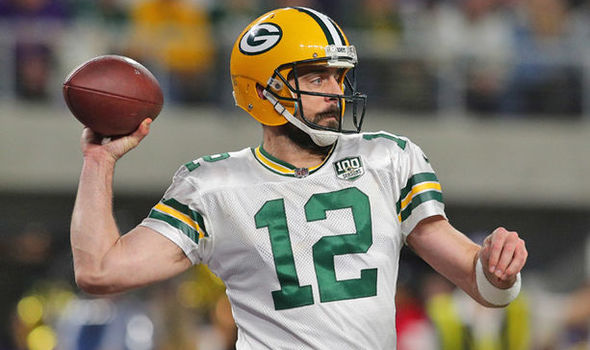
What happens when one of the most talented quarterbacks in NFL history starts hinting at the end—are we witnessing the final chapter, or just another dramatic pause? That question has been floating around fans, analysts, and insiders for years now whenever the topic of Aaron Rodgers retiring comes up.
In this deep dive, we’ll explore everything about the “Aaron Rodgers retire” conversation—from his legendary career and evolving mindset to the realistic timeline of his exit and what life after football might look like. So, if you’ve ever wondered whether Rodgers is truly nearing the end or simply redefining it, you’re in the right place.
The Legacy of Aaron Rodgers: More Than Just a Quarterback
A Career Built on Precision and Intelligence
When you think about modern quarterback excellence, Aaron Rodgers Retire is impossible to ignore. Drafted in 2005 by the Green Bay Packers, Rodgers didn’t start immediately. Instead, he spent years learning behind Brett Favre—a period that shaped his technical mastery and mental approach to the game.
Once he took over as the starting quarterback, the transition was seamless. Rodgers brought an unmatched level of precision passing, low interception rates, and a calm demeanor under pressure. He wasn’t just playing football; he was controlling it like a chess match.
Over the years, he developed a reputation for making impossible throws look routine. His ability to extend plays and deliver pinpoint passes redefined expectations for quarterbacks across the league.
Super Bowl Glory and MVP Dominance
Aaron Rodgers Retire’ crowning moment came during Super Bowl XLV, where he led the Packers to victory and earned MVP honors. That performance solidified his place among the greats.
However, what truly separates Rodgers is consistency. Multiple MVP awards highlight not just talent but sustained excellence. Few quarterbacks have maintained such a high level of play for such a long time.
Even as younger quarterbacks emerged, Rodgers continued to outperform expectations, proving that experience combined with elite skill can be just as dangerous as youthful energy.
A Polarizing Yet Fascinating Figure
Beyond stats and trophies, Aaron Rodgers Retire has always been a complex personality. His candid interviews, philosophical outlook, and occasional controversies have made him one of the most talked-about players in the NFL.
This complexity plays a major role in the “Aaron Rodgers retire” discussion. Unlike some athletes who fade quietly, Rodgers commands attention with every word, making even subtle hints about retirement headline-worthy.
The Retirement Rumors: Where Did They Begin?
Early Hints and Public Statements
The idea of Aaron Rodgers Retire retiring didn’t appear overnight. It has been building gradually over the years. During interviews and press conferences, he has often spoken about the importance of life beyond football.
At times, he has openly questioned how long he wants to continue playing. These reflections weren’t necessarily commitments to retire, but they planted seeds of speculation.
What makes Rodgers different is his honesty. He doesn’t hide behind clichés. Instead, he openly discusses mental health, personal growth, and the toll of a long NFL career.
Contract Drama and Team Transitions
The retirement conversation gained momentum during his final years with the Green Bay Packers. Contract disputes and uncertainty about the team’s direction fueled speculation that he might walk away.
Later, his move to the New York Jets added another layer to the narrative. Was this a fresh start or a final chapter?
Transitions like these often signal the beginning of the end for athletes. However, Aaron Rodgers Retire approached it differently. Instead of slowing down, he embraced the challenge, showing that retirement was not imminent—at least not yet.
Media Amplification and Fan Reactions
Every comment Aaron Rodgers Retire makes gets amplified by the media. A single reflective statement can quickly turn into a “retirement rumor.”
Fans, naturally, react strongly. Some prepare for the inevitable goodbye, while others insist he still has years left. This cycle keeps the topic alive, even when Rodgers himself hasn’t made a definitive decision.
Performance vs Age: Is Rodgers Slowing Down?
Physical Condition and Injury Concerns
One of the biggest factors in any retirement discussion is physical health. Like all athletes, Aaron Rodgers Retire has dealt with injuries throughout his career.
As players age, recovery takes longer, and the risk of serious injury increases. For Rodgers, maintaining peak physical condition has been crucial in extending his career.
However, even minor injuries can spark retirement talk. Fans begin to wonder if it’s worth continuing when the body starts showing signs of wear.
Skill Set That Ages Well
Unlike quarterbacks who rely heavily on mobility, Aaron Rodgers Retire’ game is built on intelligence and accuracy. These are traits that tend to age well.
His ability to read defenses and make quick decisions allows him to remain effective even as physical attributes decline slightly.
This is why many analysts believe he can continue playing at a high level longer than most quarterbacks.
Comparing Rodgers to Other NFL Legends
When discussing retirement, comparisons are inevitable. Players like Tom Brady and Peyton Manning have set benchmarks for longevity.
Brady, in particular, redefined expectations by playing well into his 40s. Aaron Rodgers Retire, while different in style, has the potential to follow a similar path.
However, longevity isn’t just about ability—it’s about desire. And that’s where Rodgers’ situation becomes unique.
The Mental Game: Desire, Motivation, and Fulfillment
Finding Purpose Beyond Football
Rodgers has often spoken about life beyond the NFL. Whether it’s hosting Jeopardy! or exploring personal interests, he clearly values experiences outside football.
This broader perspective plays a significant role in retirement decisions. When an athlete feels fulfilled beyond the game, stepping away becomes easier.
Unlike players who struggle to find identity after retirement, Rodgers seems prepared for that transition.
The Emotional Toll of the NFL
The NFL is not just physically demanding—it’s mentally exhausting. The constant pressure, media scrutiny, and high expectations can take a toll over time.
Aaron Rodgers Retire has been open about these challenges. His willingness to discuss mental health sets him apart and adds depth to the retirement conversation.
For him, the decision isn’t just about performance; it’s about overall well-being.
Competitive Fire Still Burning?
Despite everything, one question remains: does Rodgers still have the competitive drive?
From his performances and leadership, it’s clear that the fire hasn’t completely faded. He still wants to win, still wants to compete at the highest level.
As long as that desire exists, retirement may remain a distant possibility.
The Financial Factor: Does Money Matter?
Earnings and Endorsements
By any standard, Aaron Rodgers Retire has earned more than enough financially. Contracts, endorsements, and business ventures have secured his future.
This means his retirement decision is unlikely to be influenced by money. Instead, it’s driven by passion and personal goals.
Legacy Over Income
At this stage, Rodgers is playing for legacy. Every season adds to his already impressive resume.
The question becomes: what more does he want to achieve? Another Super Bowl? More MVP awards? Or simply the satisfaction of competing?
These goals will shape his decision far more than financial considerations.
Business Ventures and Future Opportunities
Rodgers has shown interest in business and media. Opportunities in broadcasting, hosting, and entrepreneurship await him.
This makes retirement less daunting. He isn’t stepping into uncertainty—he’s stepping into new possibilities.
Potential Retirement Timeline: When Could It Happen?
Short-Term vs Long-Term Outlook
Predicting Aaron Rodgers Retire’ retirement is tricky. He has kept his options open, often taking things one season at a time.
Short-term, he appears committed to competing. Long-term, however, retirement is inevitable.
The key question is timing. Will he leave at the top, or continue until performance declines?
Signs That Retirement Is Near
There are certain indicators fans should watch for:
- Increased discussions about life after football
- Declining performance or recurring injuries
- Reduced enthusiasm for the game
So far, Rodgers hasn’t shown all these signs simultaneously, which suggests he still has time left.
The Possibility of a Surprise Exit
Rodgers is known for doing things his own way. It wouldn’t be surprising if he announced retirement unexpectedly.
Unlike some players who plan elaborate farewell tours, Rodgers might choose a quieter exit.
That unpredictability keeps fans guessing.
Life After Retirement: What’s Next for Aaron Rodgers?
Media and Broadcasting Opportunities
Aaron Rodgers Retire’ charisma and communication skills make him a natural fit for media roles. His stint with Jeopardy! showed a different side of his personality.
A career in broadcasting or hosting seems like a logical next step.
Personal Interests and Exploration
Beyond media, Rodgers has diverse interests. From travel to personal development, he values experiences that go beyond football.
Retirement would give him the freedom to explore these passions fully.
Legacy Projects and Mentorship
Rodgers could also focus on mentoring young players. Sharing his knowledge and experience would be a natural extension of his career.
This would allow him to stay connected to the game while shaping its future.
Conclusion:
A Decision Only He Can Make
The “Aaron Rodgers retire” question doesn’t have a simple answer. It depends on factors that only he fully understands—his health, motivation, and personal goals.
Still Writing His Story
What’s clear is that Rodgers isn’t done writing his story. Whether he plays for one more season or several, every moment adds to his legacy.
The Inevitable Yet Unpredictable Ending
Retirement will come eventually. But with Rodgers, it won’t follow a predictable script.
And maybe that’s fitting for a player who has spent his entire career redefining expectations.


Leave a Reply