
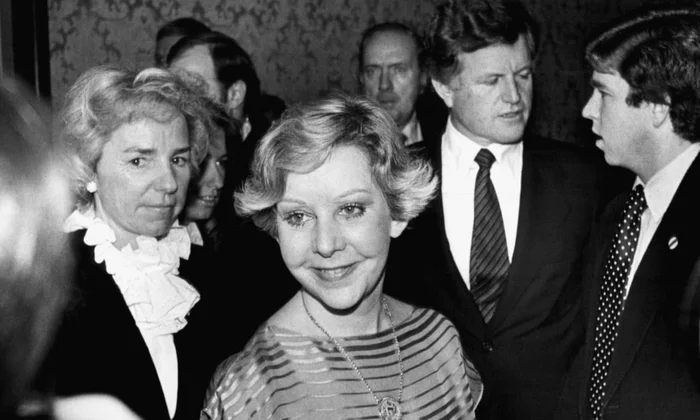
Who Was Jane Byrne and Why Is She Still Remembered Today?
What does it take to become a trailblazer in one of America’s largest cities? Few political leaders have left a mark on Chicago quite like Jane Byrne. Known for breaking barriers and challenging the status quo, she became the first woman ever elected as the mayor of Chicago. Her rise to power was unexpected, yet her impact on the city’s political history remains significant decades later.
Jane Byrne’s leadership combined determination, courage, and a willingness to confront difficult issues. Whether addressing crime, improving neighborhoods, or taking on powerful political figures, she earned both admiration and criticism throughout her career. Today, historians continue to study her legacy as one of the most influential women in Chicago politics.
This article explores Jane Byrne’s life, political career, achievements, challenges, and the lasting influence she had on the city she loved.
Early Life of Jane Byrne
Jane Byrne was born on May 24, 1933, in Chicago, Illinois. Growing up in a working-class family, she experienced firsthand the everyday struggles faced by many city residents. These early experiences helped shape her understanding of community needs and public service.
She attended local schools before enrolling at the University of Illinois, where she studied for a period before focusing on family life. Although she did not initially plan to enter politics, her interest in government and civic responsibility steadily grew over the years.
Her marriage to William Byrne, a Marine veteran, also influenced her perspective on public service and leadership. After his tragic death in a plane crash, Jane Byrne became even more determined to build a meaningful career that would benefit others.
Entering Public Service
Jane Byrne’s political journey began in the 1960s when she became active in Chicago’s Democratic Party. She quickly gained a reputation as someone who worked hard and understood the concerns of ordinary residents.
Her political career advanced significantly when she was appointed Commissioner of Consumer Sales, Weights, and Measures. Later, she served as Commissioner of Public Works under Mayor Michael Bilandic.
These positions gave Byrne valuable experience in managing city departments and solving practical problems. She became known for speaking directly and refusing to back away from difficult decisions.
The Historic 1979 Mayoral Election
The election of 1979 changed Chicago’s political landscape forever.
At the time, many political observers believed Jane Byrne had little chance of defeating the established political machine. However, public dissatisfaction with city leadership created an opportunity for change.
A severe snowstorm in 1979 had left many neighborhoods frustrated with the city’s response. Byrne successfully connected with voters by promising better leadership, improved city services, and a government that listened to ordinary citizens.
Her campaign focused on accountability, neighborhood investment, and restoring confidence in city government.
Against the odds, Jane Byrne defeated incumbent Mayor Michael Bilandic in the Democratic primary. Since the Democratic nominee was heavily favored in Chicago, her victory effectively secured her election as mayor.
She officially became Chicago’s first female mayor in April 1979.
Breaking Barriers for Women in Politics
Jane Byrne’s election represented much more than a political victory.
She shattered a major barrier by becoming the first woman to lead America’s third-largest city. At a time when relatively few women held high political office, her success inspired women across the country to consider careers in government.
Her achievement demonstrated that leadership ability mattered more than gender.
Many female politicians who entered public office in later decades have recognized pioneers like Jane Byrne for helping open doors that had previously remained closed.
Major Accomplishments as Mayor
During her time as mayor, Jane Byrne launched numerous initiatives aimed at improving Chicago.
Revitalizing Neighborhoods
One of her priorities was increasing investment in neighborhoods that had long been overlooked.
She encouraged infrastructure improvements, housing development, and community revitalization projects designed to strengthen local economies.
Her administration worked to improve public spaces while supporting neighborhood organizations.
Economic Development
Jane Byrne supported efforts to attract businesses and encourage job creation throughout Chicago.
She believed economic growth required cooperation between city government and private industry.
Several downtown development projects gained momentum during her administration, helping strengthen Chicago’s business environment.
Improving Public Services
City services became another important focus.
Her administration worked to improve sanitation, transportation, and municipal operations.
Although not every initiative succeeded, Byrne consistently emphasized responsive government and efficient public administration.
Addressing Crime and Public Safety
Crime remained one of Chicago’s biggest challenges throughout Byrne’s administration.
She supported stronger law enforcement while also promoting community involvement in improving neighborhood safety.
One of the most widely discussed moments of her mayoralty occurred when she temporarily moved into Chicago’s Cabrini-Green public housing development.
The move attracted national media attention and highlighted concerns about crime, poverty, and housing conditions.
Supporters viewed the decision as a bold effort to understand residents’ struggles firsthand.
Critics argued that the move was largely symbolic.
Regardless of opinion, the event became one of the defining moments of Jane Byrne’s political career.
Challenges During Her Administration
Like every major political leader, Jane Byrne faced significant obstacles.
Chicago experienced financial pressures, labor disputes, and political disagreements throughout her term.
Managing a large and diverse city proved extremely challenging.
Her administration also encountered criticism over appointments, budgeting decisions, and conflicts with members of the city council.
Political opponents frequently questioned her leadership style, while supporters praised her willingness to challenge entrenched interests.
These competing perspectives continue to shape historical evaluations of her time in office.
The 1983 Election
Jane Byrne sought re-election in 1983.
However, the political environment had changed considerably.
The election featured strong competition from Harold Washington and Richard M. Daley.
Harold Washington ultimately won the election and became Chicago’s first African American mayor.
Although Byrne’s mayoral career ended, she remained involved in public life and occasionally participated in political discussions.
Life After Leaving Office
After leaving City Hall, Jane Byrne stayed connected to Chicago.
She remained interested in civic issues and occasionally appeared at public events.
While she never again held the office of mayor, her contributions continued to receive recognition from political historians, journalists, and community leaders.
Over time, appreciation for her groundbreaking achievements grew, particularly regarding her role as a female pioneer in municipal government.
Jane Byrne’s Leadership Style
Jane Byrne developed a reputation for independent leadership.
She often challenged traditional political expectations and made decisions based on what she believed would benefit Chicago residents.
Her communication style was direct and confident.
She preferred engaging with neighborhoods rather than remaining isolated inside government offices.
This approach helped her connect with many voters who felt ignored by previous administrations.
However, her outspoken personality also created conflicts with political allies and opponents alike.
Public Image and Media Attention
Throughout her career, Jane Byrne attracted considerable media attention.
Her groundbreaking election naturally made national headlines.
Reporters frequently covered her policy decisions, public appearances, and political battles.
The decision to live temporarily in Cabrini-Green became one of the most publicized moments of her administration.
While opinions differed regarding the effectiveness of various initiatives, few questioned her willingness to take political risks.
Jane Byrne’s Lasting Legacy
Jane Byrne passed away on November 14, 2014, at the age of 81.
Her death prompted widespread reflection on her remarkable political career.
Today, she is remembered for several important accomplishments.
She proved that women could successfully lead one of America’s largest cities.
She challenged powerful political structures.
She focused attention on neighborhood concerns.
She helped reshape Chicago’s political history.
In recognition of her contributions, Chicago renamed the city’s iconic transportation hub as Jane Byrne Interchange, honoring her lasting impact on the city.
Interesting Facts About Jane Byrne
- Jane Byrne was Chicago’s first female mayor.
- She served as mayor from 1979 to 1983.
- She defeated an incumbent mayor in one of Chicago’s biggest political upsets.
- She temporarily lived in Cabrini-Green public housing to draw attention to crime and housing issues.
- She remained active in public life long after leaving office.
- The Jane Byrne Interchange is named in her honor.
Lessons from Jane Byrne’s Career
Jane Byrne‘s political journey offers valuable lessons for future leaders.
First, determination can overcome long odds.
Second, listening to communities helps build public trust.
Third, meaningful leadership often requires difficult decisions.
Finally, breaking barriers creates opportunities for future generations.
Her career reminds us that public service is rarely simple. Every leader faces criticism, setbacks, and unexpected challenges. What matters most is the willingness to keep working toward positive change.
Conclusion
Jane Byrne occupies a unique place in American political history. As Chicago’s first female mayor, she broke long-standing barriers while leading one of the nation’s most influential cities during a period of significant change. Her administration tackled complex issues such as public safety, neighborhood revitalization, and economic development, earning both praise and criticism along the way.
Although opinions about specific policies continue to differ, there is broad agreement that Jane Byrne changed the course of Chicago politics. Her courage to challenge political traditions, her commitment to public service, and her role as a pioneer for women in leadership ensure that her legacy remains relevant today.
For students of history, political enthusiasts, and anyone interested in influential American leaders, Jane Byrne’s life serves as a compelling example of resilience, determination, and the enduring impact one individual can have on an entire city.







Leave a Reply