
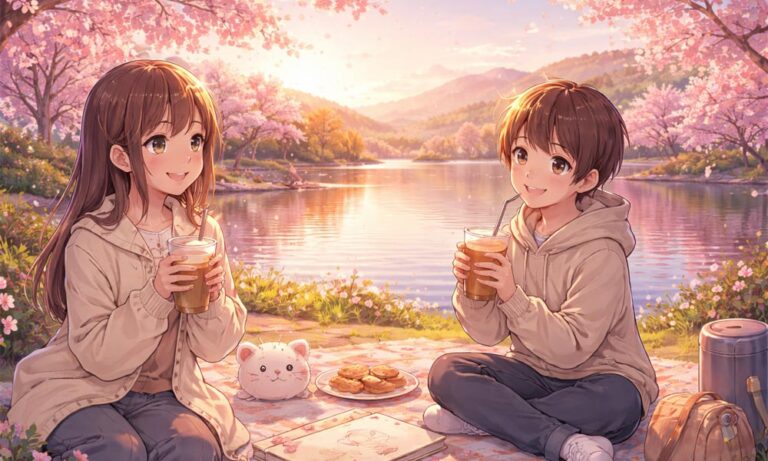
Have you ever stumbled across a piece of fan art or a manga that felt just as compelling as official content—maybe even more personal? That’s where doujin moe comes in. It sits at the intersection of passion, creativity, and fandom, offering a unique perspective that mainstream media sometimes misses.
Now the real question is: what exactly is doujin moe, and why has it become such a powerful force in modern fan culture?
Let’s break it down step by step, not just to understand what it is, but to explore why it resonates with so many people around the world.
Understanding Doujin Moe: What Does It Really Mean?
At its core, doujen moe combines two ideas. “Doujin” refers to self-published works, often created by fans, while “moe” describes a strong emotional attachment to characters, typically cute, charming, or deeply relatable ones.
First, let’s talk about doujin culture. These works are usually produced independently, without the backing of major publishers. Artists and writers create manga, novels, games, or illustrations based on original ideas or existing franchises. This freedom allows creators to experiment and explore ideas that mainstream media might avoid.
Then there’s the concept of moe. Moe isn’t just about cuteness. It’s about emotional connection. When a character makes you smile, feel protective, or even nostalgic, that’s moe. It’s subtle but powerful.
When you combine these two elements, you get doujin moe—a creative space where fans express their love for characters through original storytelling and artistic expression. It’s not just content. It’s a feeling translated into art.
The Origins of Doujin Culture and Its Evolution
To understand doujin moe, you need to look at where doujen moe culture started. It dates back decades, particularly in Japan, where amateur creators began producing their own magazines and comics.
Initially, these works were distributed in small circles. Artists would print limited copies and share them at local events. It was a grassroots movement driven by passion rather than profit.
Over time, events like comic conventions helped this culture grow. Artists gained recognition, and communities began forming around shared interests. The rise of the internet accelerated this growth even further.
Now, doujin culture isn’t limited to Japan. It’s a global phenomenon. Artists from all over the world contribute to it, bringing their own styles and perspectives.
What’s interesting is how moe became a central theme in many of these works. As audiences developed a deeper appreciation for character-driven storytelling, creators leaned into emotional connections, giving rise to the modern concept of doujin moe.
Why Doujin Moe Feels So Personal
One of the biggest reasons doujen moe stands out is how personal it feels. Unlike commercial media, these works often reflect the creator’s genuine emotions and experiences.
For example, a fan might create a story exploring a side character’s life in more depth. Another might reimagine a popular storyline with a different emotional tone. These interpretations add layers to existing narratives.
Because these works are created out of love rather than obligation, they carry a certain authenticity. You can feel the effort and care put into every detail.
Additionally, the absence of strict editorial control allows for more creative freedom. This means creators can take risks, experiment with styles, and explore themes that might not be commercially viable.
As a result, readers often feel a stronger connection to doujin moe works. They’re not just consuming content—they’re experiencing someone else’s passion.
The Role of Fan Communities in Doujin Moe
doujen moe thrives because of its communities. Without fans, this culture wouldn’t exist.
Communities provide a space for creators and fans to interact. Artists share their work, receive feedback, and connect with others who share similar interests. This interaction helps creators improve and stay motivated.
Moreover, these communities foster collaboration. Writers, illustrators, and designers often team up to create more complex projects. This collaborative spirit leads to higher-quality works and more diverse content.
Online platforms have played a huge role in expanding these communities. Social media, forums, and digital marketplaces make it easier than ever to share and discover doujin works.
At the same time, physical events still hold a special place. They offer a chance for face-to-face interaction, which strengthens the sense of belonging within the community.
In many ways, doujin moe is as much about people as it is about art.
Creative Freedom: The Heart of Doujin Moe
If there’s one thing that defines doujin moe, it’s creative freedom.
Unlike mainstream creators, doujen moe artists don’t have to follow strict guidelines or appeal to mass audiences. They can explore niche ideas, unconventional storytelling, and unique art styles.
This freedom leads to innovation. Many trends in mainstream media actually start in the doujin world. Creators experiment, audiences respond, and successful ideas eventually make their way into larger productions.
Another important aspect is representation. Doujin works often include diverse characters and stories that aren’t commonly seen in mainstream media. This inclusivity makes them more relatable to a wider audience.
However, creative freedom also comes with challenges. Without financial support or professional resources, creators must rely on their own skills and dedication. Despite this, many continue to produce incredible work purely out of passion.
That’s what makes doujin moe so special—it’s driven by creativity, not constraints.
The Artistic Styles Behind Doujin Moe
Art plays a crucial role in doujen moe. While styles can vary widely, they often share certain characteristics that enhance emotional connection.
For instance, expressive facial features are a key element. Artists focus on capturing subtle emotions, making characters feel more alive and relatable.
Color usage is another important factor. Soft tones and vibrant highlights can evoke different moods, from warmth and comfort to excitement and energy.
Additionally, many artists experiment with composition and panel layouts. This allows them to create dynamic storytelling that draws readers in.
Interestingly, doujin artists often develop their own unique styles rather than following industry trends. This individuality adds to the diversity of the genre.
Over time, some doujin artists gain enough recognition to transition into professional careers. Their experience in the doujin world often gives them an edge in creativity and storytelling.
Digital Platforms and the Rise of Global Accessibility
The internet has completely transformed the doujen moe landscape.
In the past, access to doujin works was limited to specific regions and events. Today, digital platforms have made it possible for anyone to discover and enjoy these creations.
Websites, online stores, and social media allow creators to reach global audiences. This increased visibility has led to greater appreciation for doujin culture worldwide.
Digital tools have also made it easier to create and distribute content. Artists can produce high-quality work using software and share it instantly.
However, this shift has also introduced new challenges. Issues like copyright and content distribution have become more complex in the digital age.
Despite these challenges, the benefits outweigh the drawbacks. Doujin moe has become more accessible than ever, allowing more people to participate in and enjoy this unique culture.
The Emotional Impact of Moe in Storytelling
Moe is more than just an aesthetic—it’s a storytelling tool.
When creators focus on emotional connection, they create experiences that resonate deeply with audiences. This can range from lighthearted moments to deeply emotional narratives.
For example, a simple scene of a character enjoying a quiet moment can evoke feelings of comfort and nostalgia. On the other hand, a dramatic storyline can create a strong emotional impact.
This emotional depth is what sets doujin moe apart from other forms of media. It prioritizes connection over spectacle.
Moreover, moe elements can enhance character development. By focusing on relatable traits and emotions, creators make characters more memorable.
In many cases, this emotional engagement is what keeps fans coming back for more.
Challenges and Controversies in Doujin Moe
Like any creative field, doujin moe isn’t without its challenges.
One major issue is copyright. Since many doujin works are based on existing franchises, they operate in a legal gray area. While some companies tolerate or even encourage fan creations, others take a stricter approach.
Another challenge is sustainability. Many creators struggle to balance their passion with financial stability. Producing high-quality work requires time and resources, which can be difficult to maintain without support.
Additionally, the sheer volume of content can make it hard for new creators to stand out. With so many talented artists, gaining recognition requires both skill and persistence.
Despite these challenges, the doujin community continues to thrive. Its resilience is a testament to the dedication of its creators and fans.
The Future of Doujin Moe
Looking ahead, the future of doujin moe seems bright.
As technology continues to evolve, new tools and platforms will make it even easier for creators to produce and share their work. This will likely lead to even greater diversity and innovation.
At the same time, the growing popularity of fan culture suggests that demand for doujin content will continue to rise. More people are seeking personalized and emotionally engaging experiences.
There’s also potential for increased collaboration between doujen moe creators and mainstream industries. Some companies are already recognizing the value of fan-driven creativity.
However, maintaining the balance between creative freedom and legal considerations will be crucial. Finding ways to support creators while respecting intellectual property rights will shape the future of the industry.
Conclusion:
So, why does doujen moe matter?
Because it represents something pure—creativity driven by passion. It’s a space where artists and fans come together to celebrate the characters and stories they love.
It breaks boundaries, challenges norms, and offers a level of emotional connection that’s hard to find elsewhere.
Whether you’re a creator or a fan, doujin moe invites you to be part of something bigger. It’s not just about consuming content. It’s about sharing experiences, expressing emotions, and building connections.
And in a world where media can sometimes feel impersonal, that kind of authenticity is more valuable than ever.




Leave a Reply