
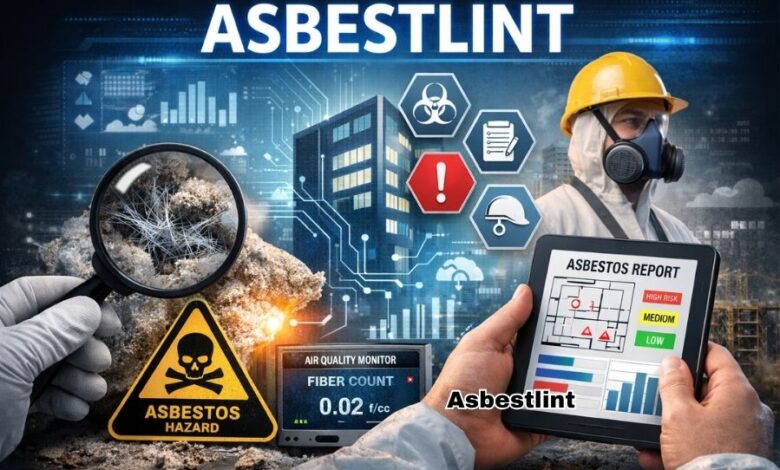
Introduction:
Asbestlint is a term that refers to a fibrous material associated with asbestos-based products, often resembling lint-like strands or thin flexible strips made from asbestos fibers. While the word may sound unfamiliar or even slightly technical, it essentially points to a category of asbestos-containing materials that were once widely used in industrial, construction, and insulation applications.
In simple terms, asbestlint can be thought of as a loose, fibrous form of asbestos that behaves somewhat like textile lint but is far more hazardous. Because of its heat resistance, durability, and insulating properties, it was historically used in environments where high temperatures or fire protection were critical. However, modern understanding has revealed that these benefits come at a serious cost to human health.
Today, asbestlint is no longer considered safe or acceptable for use in most countries. Its presence is now mainly associated with older buildings, industrial sites, or legacy insulation systems. Understanding what it is, how it was used, and why it is dangerous is essential for anyone involved in construction, renovation, or environmental safety work.
What Is Asbestlint?
Asbestlint refers to thin, fibrous asbestos material that resembles lint or soft strands. It is not a standardized industrial product name but rather a descriptive term used to explain certain asbestos formations or processed asbestos materials that appear thread-like. These fibers can easily become airborne when disturbed, making them particularly hazardous.
The material is primarily composed of asbestos minerals such as chrysotile, amosite, or crocidolite. These minerals were once praised for their resistance to heat, electricity, and chemical damage. When processed into fine strands or lint-like textures, asbestos became useful for wrapping pipes, insulating machinery, and reinforcing fireproof textiles.
Despite its usefulness in industrial applications, asbestlint is extremely dangerous when inhaled. The fibers are microscopic and can lodge deep within the lungs, leading to long-term respiratory diseases. Because of this, even small disturbances in materials containing asbestlint can create serious health risks.
Historical Background of Asbestos and Asbestlint
The use of asbestos dates back thousands of years, but its industrial popularity surged during the 19th and 20th centuries. During this period, asbestos was considered a “miracle mineral” due to its resistance to heat and fire. Asbestlint, as a form of processed asbestos fiber, emerged as part of this industrial boom.
Factories, shipyards, and construction sites widely used asbestos-based materials for insulation and fireproofing. Asbestlint was especially valued in situations where flexible insulation was required. It could be wrapped around pipes, woven into protective fabrics, or used in machinery that generated extreme heat.
However, by the mid-20th century, medical research began to reveal serious health risks associated with asbestos exposure. Workers handling materials like asbestlint were developing respiratory illnesses at alarming rates. This led to increasing regulation and eventual bans in many countries.
Composition and Physical Properties of Asbestlint
Asbestlint is primarily composed of long, thin asbestos fibers that are naturally resistant to heat and chemical breakdown. These fibers are so small that they cannot be seen individually with the naked eye, yet they can easily separate into airborne particles when disturbed.
One of the defining characteristics of asbestlint is its durability. It does not burn, melt, or degrade easily under high temperatures. This made it highly valuable in industrial insulation and fireproofing applications. Additionally, it has strong tensile properties, meaning it can be woven or compressed into different shapes without losing structural integrity.
However, the same properties that make asbestlint useful also make it dangerous. Its fibrous structure allows it to remain suspended in air for long periods when disturbed. Once inhaled, the fibers can become trapped in lung tissue, where they may remain for years or even decades, causing chronic health problems.
Common Uses of Asbestlint in the Past
Historically, asbestlint was used in a wide range of industrial and commercial applications. One of its most common uses was in thermal insulation for pipes and boilers. Workers would wrap the fibrous material around hot surfaces to prevent heat loss and protect surrounding structures.
It was also used in fireproof clothing and protective equipment. Because of its resistance to flames, asbestlint was woven into fabrics used by firefighters and industrial workers. In some cases, it was even used in brake pads and clutch systems in vehicles due to its heat-resistant properties.
Another significant application was in shipbuilding and heavy industry. Asbestlint provided insulation in engine rooms and mechanical systems where extreme temperatures were common. However, many of these uses have since been discontinued due to the serious health risks associated with asbestos exposure.
Health Risks and Safety Concerns
The health risks associated with asbestlint are the most critical aspect of understanding this material. When asbestos fibers become airborne and are inhaled, they can cause severe and often irreversible damage to the lungs and respiratory system.
One of the most well-known diseases caused by asbestos exposure is asbestosis, a chronic lung condition that results in scarring of lung tissue. This condition makes breathing difficult and can significantly reduce quality of life. In addition, asbestos exposure is strongly linked to lung cancer and mesothelioma, a rare but aggressive cancer affecting the lining of the lungs or abdomen.
What makes asbestlint particularly dangerous is its ability to break down into fine, airborne fibers. Even minimal disturbance of old insulation or materials containing asbestos can release particles into the air. Because symptoms often take decades to appear, many individuals are unaware of their exposure until serious illness develops.
Identification and Testing of Asbestlint
Identifying asbestlint visually can be extremely difficult because asbestos fibers are microscopic. Materials that may contain asbestlint often look like old insulation, fibrous tape, or worn-out textile-like material. However, visual inspection alone is never reliable for confirmation.
Professional testing is required to accurately identify asbestos-containing materials. This typically involves taking a small sample and analyzing it under a specialized microscope in a certified laboratory. Polarized light microscopy or electron microscopy is often used to detect the presence of asbestos fibers.
It is important to note that sampling should never be done without proper safety equipment and training. Disturbing asbestlint without precautions can release dangerous fibers into the air, increasing the risk of exposure for anyone nearby.
Regulations and Legal Framework
Due to the severe health risks associated with asbestos, many countries have implemented strict regulations or outright bans on its use. Asbestlint, being a form of asbestos material, falls under these regulations.
In most developed countries, the use of asbestos in new construction is completely prohibited. Regulations also govern how existing asbestos-containing materials must be managed, removed, or contained. These laws are designed to minimize public exposure and protect workers in construction and demolition industries.
In addition to national regulations, international organizations have also issued guidelines on asbestos management. These frameworks emphasize safe handling, proper disposal, and ongoing monitoring of buildings that still contain asbestos materials.
Removal and Remediation Practices
Removing asbestlint from buildings is a highly specialized process that requires trained professionals. The goal is to prevent the release of airborne fibers during removal and ensure safe disposal of hazardous waste.
The process typically begins with sealing off the affected area to prevent contamination. Workers wear protective suits and respirators to avoid inhalation. The material is then carefully dampened to reduce fiber release before being removed in controlled sections.
Once removed, asbestlint is sealed in approved containers and transported to designated hazardous waste facilities. These strict procedures are necessary because improper handling can lead to widespread contamination and serious health risks.
Environmental Impact of Asbestlint
Beyond human health concerns, asbestlint also poses environmental challenges. When asbestos-containing materials deteriorate, fibers can enter the soil, air, and water systems. This creates long-term contamination risks, especially in older industrial areas.
Asbestos fibers do not break down easily in the environment. Once released, they can remain present for extended periods, potentially affecting ecosystems and human populations nearby. This persistence makes asbestos contamination particularly difficult to manage.
Efforts to remediate contaminated sites often require significant time and resources. In some cases, entire buildings or soil layers must be removed and replaced to ensure safety. This highlights the long-term environmental burden associated with asbestos use.
Modern Alternatives to Asbestlint
With the decline of asbestos use, many safer alternatives have been developed to replace materials like asbestlint. These include fiberglass, mineral wool, cellulose fibers, and synthetic insulating materials.
These modern alternatives offer similar benefits in terms of insulation and heat resistance but without the severe health risks associated with asbestos. For example, fiberglass is widely used in building insulation due to its effectiveness and relative safety when handled properly.
The development of these alternatives has played a major role in reducing asbestos exposure worldwide. Industries now prioritize materials that meet safety standards while still providing durability and performance.
Conclusion:
Asbestlint represents a chapter in industrial history where performance and practicality were prioritized over long-term health safety. While it offered significant benefits in terms of heat resistance and insulation, its dangers have proven to be far more serious than initially understood.
Today, awareness of asbestos-related risks has led to strict regulations, improved safety practices, and the development of safer alternatives. However, asbestlint may still exist in older buildings and industrial sites, making awareness and proper handling essential.
Understanding asbestlint is not just about recognizing a material—it is about learning from the past and ensuring safer practices for the future.


Leave a Reply