
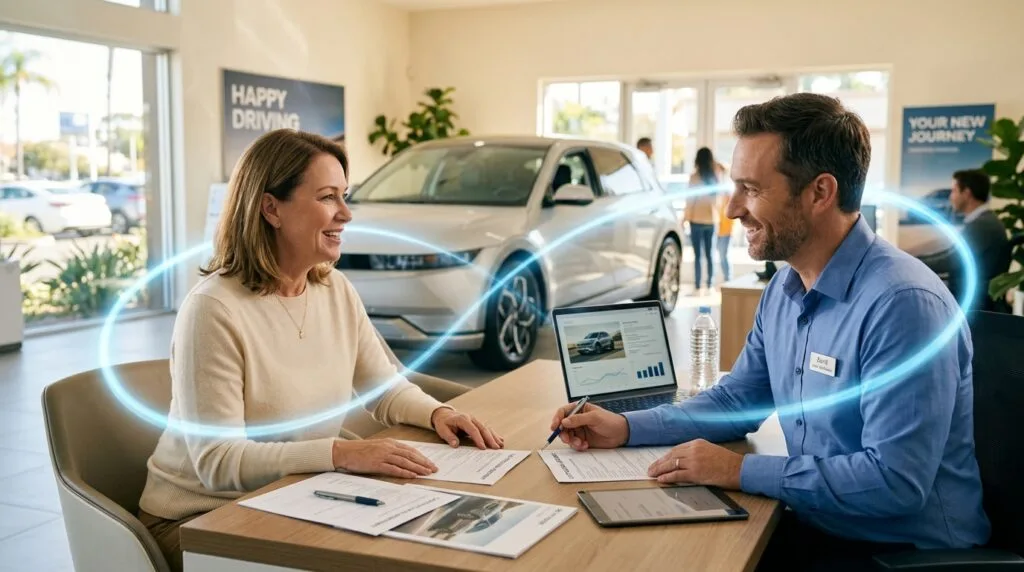
Have you ever walked into a car dealership and struggled to hear what the salesperson was saying because of background noise, echo, or unclear communication? For many people with hearing loss, this situation happens regularly. That is why the concept of a car dealership with hearing loop systems is becoming more important in today’s automotive industry.
Modern dealerships are no longer only about selling vehicles. They are about creating a comfortable and accessible customer experience for everyone. Hearing loop technology helps people with hearing aids communicate more clearly in noisy environments. As accessibility becomes a bigger focus across industries, dealerships that install hearing loops stand out as customer-friendly and forward-thinking businesses.
In this article, we will explore everything about a car dealership with hearing loop technology, including how it works, why it matters, benefits for customers and businesses, installation considerations, future trends, and how dealerships can improve accessibility for all visitors.
Understanding a Car Dealership With Hearing Loop
A car dealership with hearing loop technology is an automotive showroom or service center equipped with an assistive listening system designed to help people with hearing impairments communicate more effectively. These systems work alongside compatible hearing aids and cochlear implants.
Hearing loops are especially useful in places with a lot of background noise. Car dealerships are often busy environments filled with conversations, phone calls, announcements, and vehicle sounds. For someone with hearing difficulties, understanding a salesperson or service advisor can become frustrating. A hearing loop helps reduce these communication barriers.
The technology itself uses a loop of wire installed around a room or service desk. Sound from microphones or audio systems is transmitted directly into hearing aids that are switched to the telecoil setting. Instead of hearing surrounding noise, the listener hears a much clearer audio signal.
This accessibility feature is becoming more popular because dealerships want to serve all customers equally. In many regions, businesses are also encouraged to improve accessibility standards under disability inclusion policies and customer service regulations.
Why Accessibility Matters in Automotive Dealerships
Accessibility in the automotive world is more important than many businesses realize. Purchasing a car is a major financial decision, and every customer deserves equal access to information during the buying process.
People with hearing loss may struggle during conversations about financing, warranties, insurance, or vehicle features. Misunderstandings can create stress and confusion. A car dealership with hearing loop systems helps eliminate these communication issues by making conversations clearer and easier to follow.
Accessibility also improves customer confidence. When people feel comfortable communicating, they are more likely to trust the dealership and complete a purchase. This trust can turn first-time buyers into long-term customers.
Another reason accessibility matters is demographics. The number of older adults continues to grow globally, and hearing loss becomes more common with age. Many older customers are active car buyers. Dealerships that invest in inclusive communication tools position themselves better for future market demands.
Finally, accessible dealerships demonstrate social responsibility. Businesses that care about inclusion often earn a stronger reputation in their communities. Customers appreciate companies that actively support equal access and diversity.
How Hearing Loop Technology Works
Understanding hearing loop technology is easier than most people think. The system is designed to simplify communication rather than complicate it.
A basic hearing loop system includes a microphone, an amplifier, and a wire loop installed around a specific area. The microphone captures speech from a salesperson or service representative. The amplifier processes the sound and sends it through the wire loop.
The loop creates a magnetic signal that compatible hearing aids can receive. Customers simply switch their hearing aid to the telecoil or “T” setting. The speech then comes directly into the hearing aid with reduced background noise.
This direct sound transmission makes communication clearer even in busy dealership environments. Customers do not need extra headphones or separate listening devices if their hearing aids support telecoil technology.
A car dealership with hearing loop systems may install loops in several locations, including:
- Reception desks
- Finance offices
- Vehicle consultation areas
- Service centers
- Waiting lounges
- Conference rooms
Some dealerships also use portable hearing loop systems for temporary setups or outdoor events.
Benefits of a Car Dealership With Hearing Loop
The benefits of hearing loop systems extend beyond accessibility. They improve the overall customer experience and support business growth.
Better Communication
Clear communication is essential in vehicle sales and service discussions. Customers need to understand pricing, financing terms, safety features, and maintenance recommendations. Hearing loops reduce misunderstandings and help conversations flow naturally.
When customers can hear clearly, they feel more informed and confident in their decisions. This creates a smoother sales process for both staff and buyers.
Improved Customer Satisfaction
People remember businesses that make them feel welcome and respected. A dealership that invests in accessibility demonstrates genuine care for customer needs.
Satisfied customers are more likely to leave positive reviews, recommend the dealership to others, and return for future purchases or servicing. Accessibility improvements can therefore strengthen customer loyalty.
Competitive Advantage
Not every dealership offers hearing loop technology. Businesses that do can differentiate themselves from competitors.
Consumers increasingly value inclusive businesses. A dealership known for accessibility may attract customers who specifically seek supportive environments for hearing-impaired family members or older adults.
Compliance and Inclusivity
In many countries, accessibility laws encourage businesses to provide equal access to services. Installing hearing loop systems helps dealerships move closer to compliance with disability accommodation standards.
Even when not legally required, inclusivity enhances the dealership’s public image. Customers appreciate businesses that go beyond minimum expectations.
Enhanced Staff Efficiency
Communication challenges can slow down sales interactions and service appointments. Staff members may need to repeat information multiple times, which can create frustration for both parties.
With hearing loops, conversations become clearer and more efficient. Employees can focus more on helping customers instead of struggling with communication barriers.
Common Areas Where Hearing Loops Are Used in Dealerships
A car dealership with hearing loop systems often installs them strategically in key customer interaction zones. Different areas serve different communication needs.
Reception Areas
The reception desk is usually the first point of contact. Customers ask questions, check in for service appointments, or request assistance. Clear communication at this stage creates a positive first impression.
Hearing loops at reception desks help visitors immediately feel supported and understood.
Finance and Insurance Offices
Finance discussions involve important details about payment plans, contracts, and warranties. Miscommunication during these conversations can lead to confusion or dissatisfaction later.
Hearing loop systems ensure customers can hear every detail accurately before signing documents.
Service Centers
Service advisors often explain repairs, maintenance recommendations, and costs. Busy garages can be noisy environments filled with engine sounds and equipment noise.
A hearing loop improves communication in service centers by delivering clearer speech directly into hearing aids.
Waiting Lounges
Some dealerships install hearing loops in customer lounges where announcements or entertainment systems are used. This ensures hearing-impaired visitors can stay informed while waiting.
Conference Rooms and Presentation Areas
Dealerships frequently host product demonstrations, training sessions, or promotional events. Hearing loops make presentations more accessible for everyone attending.
The Growing Demand for Inclusive Customer Experiences
Consumer expectations are changing rapidly. Today’s customers expect businesses to accommodate different needs and abilities.
The automotive industry is becoming more customer-focused than ever before. Buyers no longer choose dealerships based only on vehicle inventory or pricing. They also consider comfort, communication quality, and overall experience.
A car dealership with hearing loop systems sends a strong message about inclusivity and customer care. People appreciate businesses that actively remove barriers instead of waiting for complaints.
There is also increasing public awareness about accessibility technology. Many hearing aid users now actively look for hearing loop signs in public places. Seeing that symbol at a dealership can immediately make visitors feel more comfortable.
Inclusive customer experiences also extend to family members. If one family member has hearing loss, the entire group may prefer dealerships that provide accessible communication options.
Challenges Dealerships Face Without Hearing Loop Systems
Businesses that ignore accessibility may unintentionally create obstacles for customers with hearing impairments.
One major challenge is communication breakdown. Customers may misunderstand financing terms, service recommendations, or vehicle specifications. These misunderstandings can lead to dissatisfaction later.
Another issue is customer discomfort. People who struggle to hear may feel embarrassed asking staff to repeat information multiple times. Some customers may even leave without completing a purchase because the environment feels overwhelming.
Negative experiences can also affect reputation. Customers who feel excluded may share their experiences through online reviews or word of mouth.
Without hearing loops, employees may also face communication fatigue. Repeating information constantly slows down operations and increases frustration during busy periods.
By investing in hearing loop systems, dealerships can avoid many of these common problems.
Installing Hearing Loop Systems in Car Dealerships
Installing hearing loop technology requires careful planning to ensure the best performance and coverage.
The first step is evaluating dealership layout and customer interaction points. Businesses should identify where communication matters most. Reception areas, finance offices, and service counters are usually top priorities.
Professional installation is important because improper setup can reduce sound quality or create interference. Certified hearing loop installers understand how to optimize coverage for different room sizes and building materials.
Dealerships can choose between permanent and portable systems. Permanent systems provide consistent coverage, while portable loops offer flexibility for temporary setups or events.
Training employees is also essential. Staff should understand how hearing loops work so they can assist customers confidently. Simple knowledge about telecoil settings and system availability can improve customer experiences significantly.
Maintenance requirements are generally low. However, dealerships should regularly test systems to ensure they function properly.
Customer Reactions to Hearing Loop Technology
Customers who use hearing aids often describe hearing loops as life-changing in noisy public environments. In dealerships, the difference can be dramatic.
Many hearing-impaired visitors feel relieved when they discover a dealership with hearing loop support. Instead of struggling through conversations, they can focus fully on learning about vehicles and making informed decisions.
Positive reactions often include:
- Greater confidence during discussions
- Reduced stress and listening fatigue
- Improved understanding of technical details
- Increased comfort in busy environments
- Higher trust in dealership staff
Families also appreciate accessible environments because communication becomes easier for everyone involved in the purchasing process.
Dealerships that adopt hearing loops often discover that accessibility improvements benefit more customers than expected.
Hearing Loop Systems and Modern Automotive Branding
Modern branding is not only about logos or advertisements. It is about how customers feel when interacting with a business.
A car dealership with hearing loop systems positions itself as inclusive, innovative, and customer-centered. These qualities strengthen brand reputation and help dealerships stand out in competitive markets.
Accessibility can also support digital marketing efforts. Businesses that highlight inclusive features on websites and social media often attract positive attention from customers seeking supportive environments.
Dealerships can include accessibility information in promotional materials, appointment booking pages, and customer service communications. Even small mentions of hearing loop availability can make a big difference for potential visitors.
Brands that genuinely prioritize accessibility often build deeper emotional connections with their audiences.
Future Trends in Accessible Automotive Dealerships
Accessibility technology will likely continue evolving in the coming years. Hearing loop systems are only one part of a larger movement toward inclusive dealership experiences.
Future trends may include:
- Advanced speech-to-text displays
- AI-powered communication assistance
- Improved acoustic showroom design
- Mobile accessibility apps
- Enhanced customer personalization tools
- Smart hearing integration systems
As technology improves, dealerships may combine multiple accessibility features to create seamless customer experiences.
Electric vehicle showrooms and modern automotive retail spaces are already adopting more digital communication tools. Integrating accessibility into these systems will become increasingly important.
Customers will continue expecting businesses to accommodate different needs naturally rather than treating accessibility as an afterthought.
Tips for Choosing a Car Dealership With Hearing Loop Support
If you or a family member has hearing loss, choosing the right dealership can make the vehicle buying process much easier.
Look for dealerships that openly mention accessibility services on their websites or signage. Businesses that advertise hearing loop systems usually take inclusivity seriously.
You can also contact the dealership before visiting and ask questions about available support. Helpful staff responses often indicate a positive customer experience overall.
When visiting the dealership, pay attention to noise levels and communication quality. Accessible environments usually feel more organized and customer-focused.
It may also help to read reviews from other customers with accessibility needs. Their experiences can provide useful insights before scheduling appointments.
Why Hearing Loops Are Better Than Many Alternatives
There are several assistive listening technologies available today, but hearing loops offer unique advantages.
Unlike headphones or separate listening devices, hearing loops work directly with compatible hearing aids. Customers do not need to borrow equipment or worry about hygiene concerns.
Hearing loops also provide a more natural listening experience because sound goes straight into the hearing aid without extra background interference.
Other systems may require complicated setup procedures or special receivers. Hearing loops are simple and user-friendly.
This simplicity makes them ideal for busy dealership environments where fast and effective communication matters.
Building a More Inclusive Automotive Industry
The automotive industry continues evolving beyond traditional sales models. Today’s dealerships focus more on customer experience, technology integration, and personalized service.
Accessibility should be part of this transformation. A car dealership with hearing loop systems demonstrates that inclusive communication matters just as much as vehicle quality or showroom design.
Businesses that embrace accessibility create environments where all customers feel respected and valued. This approach not only supports people with hearing loss but also improves communication for everyone.
As awareness grows, hearing loop systems may become a standard feature in modern dealerships rather than a rare addition.
Conclusion:
A car dealership with hearing loop technology represents the future of inclusive automotive retail. Clear communication plays a vital role in vehicle sales, financing discussions, and customer service interactions. Hearing loop systems help remove barriers for people with hearing impairments while improving overall customer satisfaction.
These systems provide practical benefits for both customers and dealerships. Visitors enjoy clearer conversations and greater confidence, while businesses strengthen reputation, customer loyalty, and accessibility standards.
As the automotive industry becomes more focused on customer experience, accessibility features like hearing loops will continue gaining importance. Dealerships that invest in inclusive technology today position themselves as forward-thinking businesses prepared for tomorrow’s diverse customer needs.




Leave a Reply