
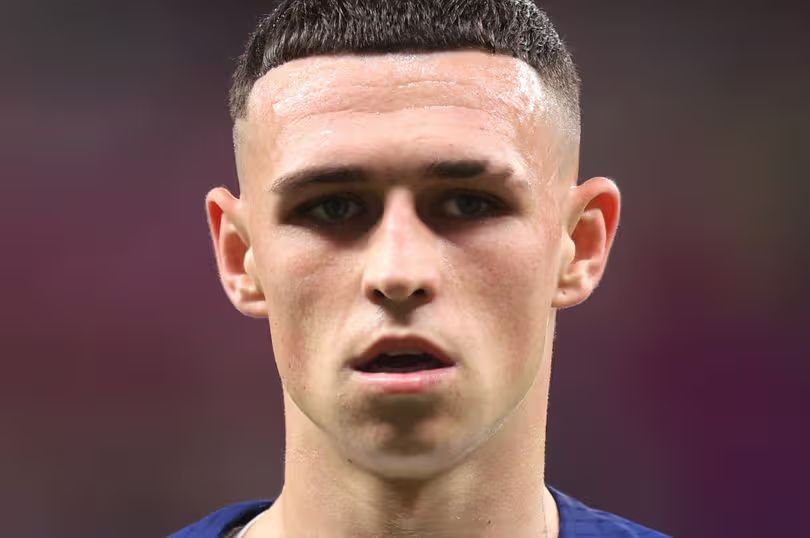
Have you ever wondered how a simple pet can suddenly become part of internet culture? In the world of football, fans usually focus on goals, trophies, and transfers. However, sometimes a completely unexpected topic steals the spotlight. That is exactly what happened with the phrase “phil foden cat.”
The internet has a unique way of turning small moments into global conversations. Whether it is a funny social media post, a pet appearance during a livestream, or a meme shared by thousands of fans, celebrity pets often become just as popular as their owners. In the case of Phil Foden, curiosity around his cat sparked online discussions across football communities and social platforms.
This article explores everything related to the keyword “phil foden cat.” From Phil Foden’s rise in football to the internet fascination surrounding celebrity pets, we will break down why fans became interested in this unusual topic. Along the way, we will also look at football culture, social media influence, and the growing connection between athletes and their pets.
Who Is Phil Foden?
Phil Foden is one of the most talented footballers of his generation. Born in Stockport, England, he quickly became known for his technical skills, vision, and creativity on the field. Fans and football experts often describe him as one of the brightest stars produced by modern English football.
From a young age, Foden showed incredible promise. He joined the youth academy of Manchester City and developed into a world-class midfielder under the guidance of legendary manager Pep Guardiola. His calmness on the ball and ability to change games made him a fan favorite almost instantly.
As his fame grew, people became interested in every aspect of his personal life. Football fans no longer follow players only for their performances. Today, supporters want to know about lifestyles, hobbies, families, and even pets. That growing curiosity is one of the reasons the phrase “phil foden cat” started appearing online.
Another important reason behind this interest is social media culture. Modern athletes live in a digital world where every photo, video, or livestream can spread globally within minutes. A single glimpse of a pet can create thousands of comments and memes. Phil Foden’s growing popularity naturally encouraged fans to search for more details about his everyday life.
The Internet Obsession With Celebrity Pets
Celebrity pets have become a major part of online culture. From actors and musicians to athletes and influencers, fans love seeing a softer and more personal side of famous people. Pets create emotional connections because they make celebrities appear relatable and human.
Footballers are no exception. Supporters often view elite athletes as untouchable superstars. However, seeing a footballer relaxing at home with a cat or dog changes that image completely. It creates a sense of normality that fans enjoy.
The keyword “phil foden cat” reflects this wider trend. Even if the topic itself seems small, it represents how modern fan culture works. People search for these moments because they enjoy discovering details beyond football.
Social media platforms like Instagram, TikTok, and Twitter have intensified this phenomenon. A short clip involving a pet can gain millions of views overnight. Fans then create memes, reaction videos, and discussions that keep the topic alive for weeks.
Interestingly, pets also help shape celebrity branding. A player known for being calm and family-oriented often gains even more popularity when fans see them caring for animals. This emotional appeal strengthens their public image in a natural way.
Why Did “Phil Foden Cat” Become Popular?
The rise of the phrase “phil foden cat” likely comes from a combination of fan curiosity, viral internet culture, and social media speculation. Modern football audiences constantly search for entertaining content connected to their favorite stars.
Sometimes a single image or short video can create massive online attention. Fans begin sharing screenshots, creating memes, and discussing details that would otherwise go unnoticed. Once a phrase starts trending, search engines and social platforms amplify it even further.
Another factor is the emotional connection supporters have with footballers. Phil Foden is admired not only because of his football ability but also because of his calm personality and humble background. Fans enjoy seeing aspects of his private life because it makes him feel more relatable.
Memes also play a huge role in modern football culture. Online football communities love turning random moments into running jokes. Whether it is a funny hairstyle, a celebration, or a pet appearance, supporters quickly transform it into viral entertainment.
The internet thrives on unusual combinations of topics. Football and cats are both extremely popular online subjects individually. When combined together through a celebrity figure like Phil Foden, interest naturally increases.
Footballers and Their Love for Pets
Many football stars are known for their affection toward animals. Pets provide comfort and emotional support, especially for athletes dealing with intense pressure and constant public attention.
Professional football can be mentally exhausting. Players travel frequently, train every day, and face criticism from millions of fans. Having pets at home often creates a peaceful environment away from the stress of competition.
Several famous footballers have openly shared their love for animals. Lionel Messi is known for his massive dog Hulk, while Cristiano Ronaldo has frequently posted pictures with family pets. These moments attract huge engagement online because supporters enjoy seeing athletes in a relaxed setting.
Cats in particular have a strong internet presence. The internet has loved cat content for decades. Funny cat videos, memes, and reactions dominate social media every day. Therefore, the idea of a football superstar associated with a cat naturally captures attention.
Another reason pets matter is emotional branding. Fans often admire athletes who show kindness and affection toward animals. It creates a positive image and strengthens fan loyalty.
Social Media and Viral Football Culture
Football culture has changed dramatically in the digital era. Years ago, fans mainly followed players through television broadcasts and newspaper interviews. Today, social media provides direct access to athletes’ personal lives.
This constant access creates endless opportunities for viral moments. A footballer does not need to score a hat-trick to trend online anymore. Even casual home content can become more popular than match highlights.
The “phil foden cat” trend fits perfectly into this environment. Fans enjoy lighthearted and entertaining content because it provides a break from the intense debates surrounding football performances.
Platforms like TikTok especially encourage short-form viral content. Users remix clips, add music, and create humorous edits that spread rapidly. Once a topic begins trending, algorithms push it to even larger audiences.
Memes are now central to football fandom. Supporters communicate through jokes, reaction images, and viral references. This playful side of football culture helps build online communities that remain active even outside matchdays.
Another important factor is fan creativity. Football supporters constantly invent narratives and trends around players. Sometimes these trends have little connection to actual football but still gain massive popularity because they entertain people.
Phil Foden’s Public Image
One reason fans respond positively to Phil Foden is his approachable personality. Unlike some celebrities who appear distant, Foden is often viewed as grounded and authentic.
His journey from Manchester City’s academy to international football success inspires many young players. Fans admire his dedication, humility, and loyalty to his club.
This positive reputation makes casual lifestyle content more appealing. When supporters already like a player, they become interested in small details about their everyday routines.
Another reason his image works well online is relatability. Phil Foden often appears calm and family-oriented rather than overly flashy. This creates a connection with ordinary supporters who see him as genuine.
The “phil foden cat” curiosity reflects this emotional connection. Fans are naturally interested in the personal side of athletes they admire. Even simple moments involving pets can strengthen that relationship further.
Media coverage also contributes to this phenomenon. Sports journalism increasingly includes lifestyle stories because audiences enjoy reading about players beyond the pitch.
The Psychology Behind Viral Pet Content
Why do people love celebrity pet content so much? The answer involves psychology, entertainment, and emotional connection.
Animals create feelings of comfort and happiness. Studies often show that pet content reduces stress and increases positive emotions. This explains why cat videos consistently dominate internet trends.
When fans see athletes interacting with pets, it creates contrast. Elite footballers are usually associated with competition, pressure, and intense physical performance. Pets reveal a softer side that feels emotionally satisfying.
Cats are particularly popular because of their unpredictable and humorous behavior. Internet culture has transformed cats into global entertainment icons. Combining cats with football stars creates highly shareable content.
Another psychological factor is parasocial relationships. Fans often feel emotionally connected to celebrities even though they do not know them personally. Seeing personal moments strengthens that illusion of closeness.
This emotional attachment encourages fans to search for topics like “phil foden cat” because they enjoy learning more about the personalities behind the athletes they admire.
Football Memes and Online Humor
Modern football fandom is heavily driven by humor. Memes have become one of the primary ways supporters interact online.
A funny image involving a player can spread across the internet within hours. Fans remix content endlessly, adding captions and jokes that create new layers of entertainment.
Phil Foden has already appeared in many football memes over the years. His hairstyle, facial expressions, and playing style have all inspired viral reactions. Therefore, any unusual topic connected to him quickly gains traction.
Cat memes are equally powerful online. The internet has essentially built an entire culture around feline humor. Combining football memes with cat culture creates a perfect recipe for viral success.
Another reason memes matter is community participation. Fans enjoy contributing their own edits and reactions. Viral topics become collaborative entertainment experiences where thousands of users add creativity.
This interactive nature keeps trends alive longer than traditional media stories. Even minor moments can become iconic within football communities.
Celebrity Privacy in the Digital Age
While fans enjoy personal content, celebrity privacy remains an important issue. Athletes today face enormous public scrutiny because social media exposes almost every aspect of their lives.
Even harmless topics like pets can generate overwhelming attention. Some celebrities appreciate this engagement, while others prefer keeping personal details private.
Phil Foden, like many footballers, balances public visibility with personal boundaries. Fans often forget how difficult it can be for athletes to maintain normal lives under constant observation.
The “phil foden cat” trend also highlights how quickly internet curiosity grows. A small moment can transform into widespread discussion within hours.
This level of attention has advantages and disadvantages. On one hand, it strengthens fan relationships and increases popularity. On the other hand, it reduces personal privacy.
Modern athletes must carefully manage their public image because online audiences constantly analyze every detail. Even innocent content can become major news.
How Football Culture Keeps Evolving
Football is no longer only about matches and trophies. Today, it is a massive entertainment ecosystem that includes fashion, gaming, streaming, memes, and lifestyle content.
Fans want continuous engagement beyond the ninety minutes on the pitch. Social media provides that connection through behind-the-scenes access and viral trends.
The popularity of “phil foden cat” demonstrates how football culture now blends sports with internet entertainment. Supporters are interested in personality-driven content just as much as match statistics.
Younger audiences especially consume football differently. They follow players on TikTok, watch reaction compilations on YouTube, and share memes on social platforms. Personal branding has become almost as important as athletic performance.
This evolution changes how footballers interact with fans. Athletes are no longer just sports figures. They are digital personalities with global online communities.
Pets, hobbies, and lifestyle moments help build those communities by creating emotional relatability.
The Role of Search Trends and Online Curiosity
Search engines play a huge role in amplifying viral topics. Once users begin searching for a phrase repeatedly, algorithms notice increased interest and push related content further.
This creates a cycle where curiosity fuels even more visibility. The phrase “phil foden cat” likely gained traction because people kept searching for explanations, images, or memes connected to the topic.
Trending keywords often reflect cultural moments rather than deep factual importance. Internet users enjoy exploring unusual and entertaining searches simply because they are curious.
Football fandom especially thrives on speculation and humor. Even small stories can generate massive engagement if they entertain audiences.
Content creators also contribute to this growth by producing articles, videos, and social posts targeting trending keywords. As more creators discuss a topic, visibility increases even further.
This process explains why random celebrity-related searches often become global internet trends almost overnight.
What Makes Phil Foden So Popular Among Young Fans?
Phil Foden appeals strongly to younger football audiences because he represents modern football talent combined with relatability.
His playing style is exciting and creative. Fans love watching players who take risks, dribble confidently, and produce memorable moments.
At the same time, Foden appears approachable compared to some larger-than-life superstars. This balance makes him especially popular online.
Young supporters also connect with his social media presence. Modern fans expect athletes to share parts of their daily lives rather than remaining distant public figures.
The “phil foden cat” trend fits into this relationship perfectly. Fans enjoy feeling connected to athletes through small personal details.
Another reason for his popularity is authenticity. Many supporters believe Foden stays true to his roots despite becoming globally famous. This perception strengthens fan loyalty and admiration.
The Future of Viral Football Trends
Internet culture moves incredibly fast. New football trends appear every week, often driven by memes, social media clips, or unexpected moments.
Celebrity pets will likely remain popular because audiences love emotionally engaging and humorous content. Cats especially dominate internet entertainment in ways that continue to evolve.
Footballers themselves increasingly understand the power of viral culture. Many players actively engage with memes and online trends because it strengthens fan interaction.
In the future, we will probably see even more crossover between sports, entertainment, and lifestyle content. Football is becoming a complete digital experience rather than only a competitive sport.
The “phil foden cat” phenomenon may seem small on the surface, but it reflects broader cultural changes in how fans consume sports content online.
Conclusion:
The story behind “phil foden cat” is ultimately about much more than a simple pet. It represents the modern internet’s ability to turn everyday moments into global conversations.
Phil Foden remains one of football’s brightest stars, but fans today are interested in far more than goals and assists. They want authenticity, personality, humor, and connection.
Celebrity pets provide exactly that kind of emotional engagement. Whether through memes, viral videos, or casual social media posts, animals help fans see athletes in a more relatable way.
At the same time, this trend highlights how football culture continues evolving in the digital era. Supporters no longer experience football only through matches. They participate in online communities filled with jokes, trends, and lifestyle discussions.
The popularity of the phrase “phil foden cat” shows how unpredictable internet culture can be. A small detail can suddenly become a worldwide topic simply because people find it entertaining and relatable.
In the end, that is the true power of online fandom. It transforms ordinary moments into shared cultural experiences that connect millions of people across the world.









Leave a Reply