
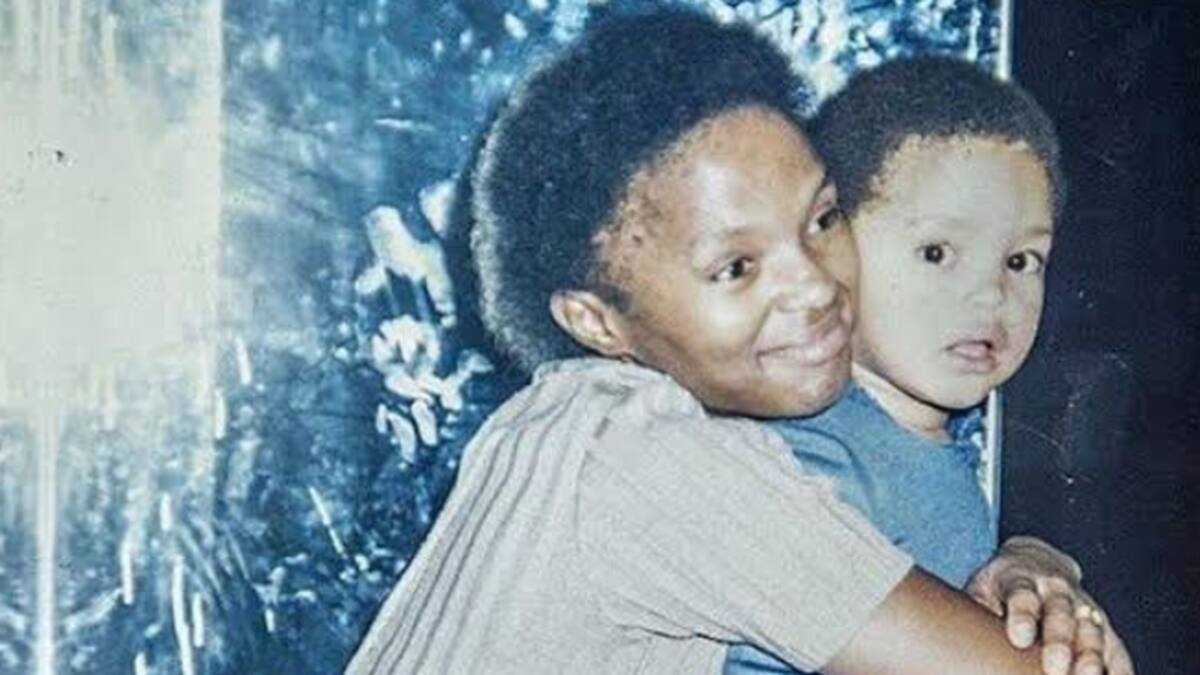
Patricia Noah is a name that often comes up when discussing resilience, courage, and the power of a mother’s influence in shaping a world-famous personality. While many people know her as the mother of comedian and television host Trevor Noah, her own life story is powerful enough to stand on its own. It is filled with hardship, resistance, and an unshakable determination to build a better future for herself and her son.
This article takes a deep, human look at Patricia Noah’s life journey. It explores her early background, struggles under apartheid South Africa, her role as a mother, and how her strength influenced one of the most recognizable voices in global entertainment today.
Early Life and Background of Patricia Noah
Patricia Noah was born and raised in South Africa during a time when the country was deeply divided by apartheid laws. From the very beginning, her life was shaped by inequality, restrictions, and systemic barriers that limited opportunities for many Black South Africans. Despite these challenges, she developed a strong sense of independence and determination early in life.
Growing up, Patricia learned that survival required both resilience and adaptability. She was not born into privilege, and every opportunity she gained came through persistence rather than ease. This environment shaped her mindset and prepared her for the struggles she would later face as a mother and as an individual navigating a divided society.
Even in her youth, Patricia stood out for her strong will and curiosity about life beyond her immediate surroundings. She believed that education and self-awareness were powerful tools, even when society tried to limit her potential. These beliefs would later play a crucial role in how she raised her son.
Life Under Apartheid and Its Challenges
Living under apartheid in South Africa meant facing constant restrictions based on race. For Patricia Noah, this system affected nearly every aspect of daily life. Movement, employment opportunities, and even relationships were controlled by harsh laws designed to keep communities separated.
Despite these limitations, Patricia refused to let the system define her identity. She sought work wherever she could find it and remained determined to improve her circumstances. Life was not easy, and every step forward required courage and persistence. Yet she continued pushing through, even when the world around her seemed stacked against her.
Her experiences during apartheid not only shaped her character but also deepened her understanding of injustice. This awareness later influenced how she raised her son, teaching him to question unfair systems and think critically about the world around him.
Becoming a Mother in Difficult Circumstances
One of the most defining aspects of Patricia Noah’s life was becoming a mother under extremely challenging conditions. At the time, relationships between Black South Africans and white individuals were illegal under apartheid laws, making her pregnancy and motherhood even more complicated.
Raising Trevor Noah was not just a personal journey—it was also a political and social challenge. Patricia had to navigate a society that did not accept her family structure. She often faced judgment, discrimination, and legal risks simply for living her life.
Despite these hardships, Patricia made a bold decision: she would not let fear dictate how she raised her child. Instead, she focused on providing love, discipline, and education, even when resources were limited. Her strength during this period laid the foundation for her son’s future success.
A Mother Who Defied the System
Patricia Noah was not someone who accepted limitations quietly. She actively challenged the system in her own way, even when it placed her in danger. Her relationship and decision to raise a mixed-race child during apartheid was itself an act of defiance against unjust laws.
She often had to make difficult choices to protect her son. At times, she would send him to live in safer environments or make arrangements that ensured he could attend school without facing severe discrimination. These decisions were not easy, but they were necessary for survival.
Her courage in defying societal expectations became one of the most defining aspects of her identity. She was not just surviving apartheid—she was quietly resisting it through her everyday choices as a mother.
A Life-Altering Act of Violence and Survival
One of the most traumatic events in Patricia Noah’s life was surviving a violent attack by her former husband. She was shot in the head, an incident that could have ended her life instantly. Remarkably, she survived, though the experience left a lasting impact on her physically and emotionally.
This event was not just a moment of personal tragedy—it highlighted the broader issues of domestic violence and the dangers many women face in abusive relationships. Patricia’s survival became a symbol of strength, even in the face of extreme violence.
After the incident, she continued to rebuild her life with determination. Instead of allowing trauma to define her future, she chose to focus on healing and moving forward. Her ability to survive and continue raising her son added another layer to her already extraordinary resilience.
Raising Trevor Noah: Discipline, Love, and Education
Patricia Noah played a central role in shaping the personality and worldview of Trevor Noah. Her parenting style was a mix of discipline, independence, and deep emotional support. She believed in teaching her son how to think for himself rather than simply following instructions.
Education was one of her top priorities. Even when resources were limited, she ensured that Trevor had access to learning opportunities. She encouraged curiosity, reading, and questioning the world around him. This intellectual foundation later became a key part of his success in media and comedy.
At the same time, Patricia maintained a strong sense of discipline. She wanted her son to understand responsibility and consequences. Her parenting was not always easy, but it was intentional, structured, and deeply rooted in love.
The Influence of Faith and Personal Values
Faith played an important role in Patricia Noah’s life. She was a deeply spiritual person who believed in the power of prayer, resilience, and moral strength. These beliefs guided many of her decisions, especially during difficult times.
Her values were not just personal—they were also passed down to her son. She emphasized honesty, respect, and integrity, even when life was unfair. These principles became part of Trevor Noah’s character and are often reflected in his storytelling and public commentary.
Patricia’s strong moral foundation helped her navigate some of the darkest moments of her life. Whether facing systemic injustice or personal tragedy, her faith gave her the strength to continue moving forward.
Patricia Noah’s Role in Shaping a Global Voice
It is impossible to discuss Trevor Noah without acknowledging the influence of his mother. Patricia Noah’s strength, intelligence, and resilience directly shaped his worldview and career path.
Many of Trevor Noah’s comedic insights about race, identity, and inequality are rooted in experiences he shared with his mother. She not only raised him but also helped him understand the complexities of the world he lived in.
In many ways, Patricia’s life story became a silent blueprint for her son’s success. Her struggles became lessons, her courage became inspiration, and her resilience became a foundation for storytelling that now reaches millions globally.
Legacy of Strength and Inspiration
The legacy of Patricia Noah is not limited to her role as a mother. She represents countless women who have faced adversity and still managed to build meaningful lives. Her story is a reminder that strength is often built in silence, away from public recognition.
She continues to be an example of resilience for many people who learn about her life through her son’s public platform. Her journey shows that even in the most difficult circumstances, it is possible to create a path forward.
Her legacy also highlights the importance of mothers in shaping future generations. Patricia Noah’s influence extends far beyond her own life—it lives on through the impact of her son and the millions of people he reaches.
Conclusion:
Patricia Noah’s life is a powerful reminder that not all heroes stand in the spotlight. Some shape history quietly, through love, sacrifice, and relentless determination. Her journey from apartheid South Africa to becoming the mother of a global figure is nothing short of extraordinary.
Patricia Noah is more than just a name in someone else’s biography. She is a symbol of survival, courage, and unwavering dedication to family. Her story continues to inspire people around the world who face their own struggles and look for strength in difficult times.
In the end, her legacy is not just about what she endured, but about what she built through it all—a life of meaning, resilience, and lasting impact.





Leave a Reply